Hospitality
Sold Separately
Restaurant technology keeps finding ways to remove people from the guest experience. We started Clave to put people first again.
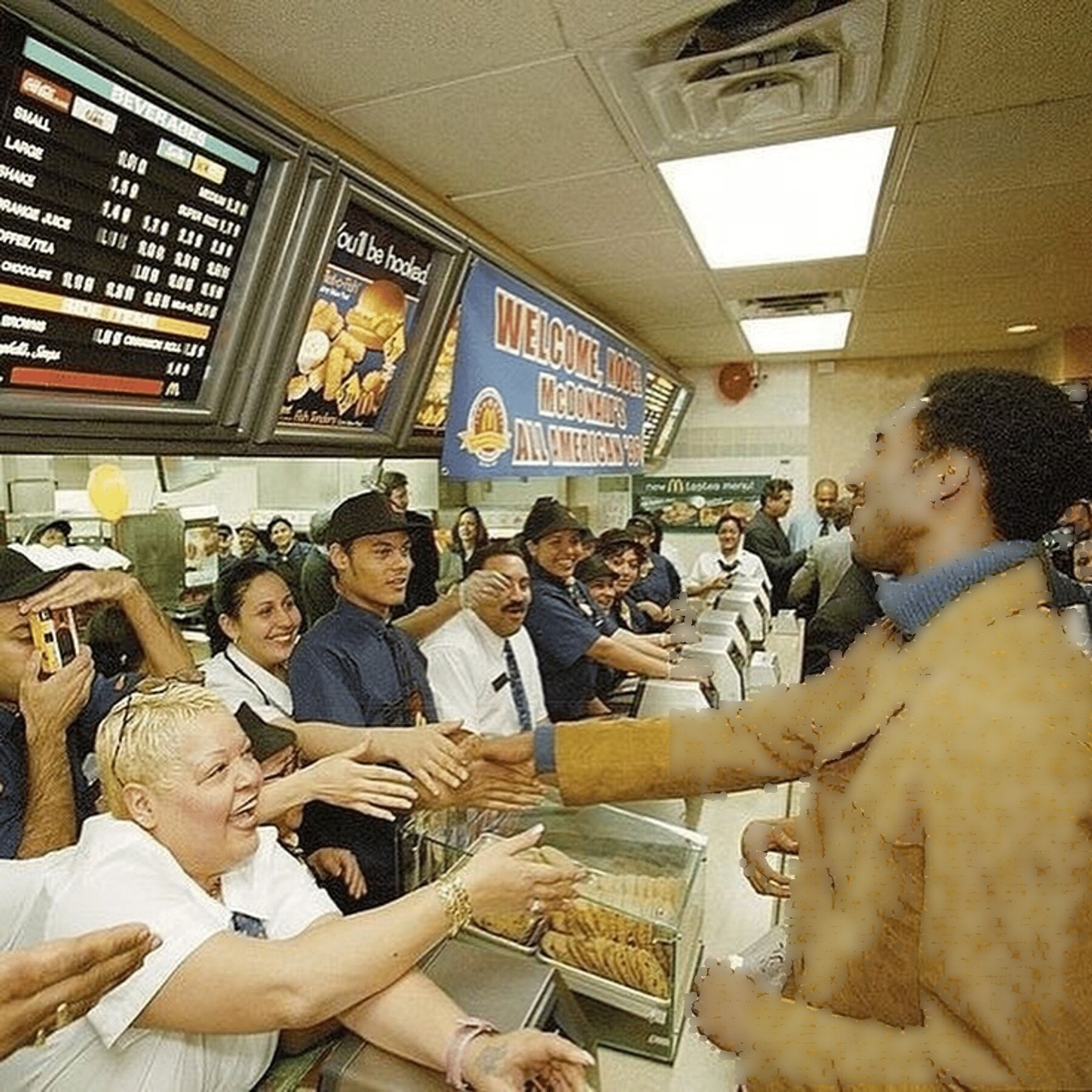
After years of trying to teach customers to order from a screen, fast food is teaching its employees to say hello again.
The Wall Street Journal recently reported that McDonald's plans to retrain more than two million restaurant workers, company employees and suppliers, with hospitality among its priorities. Its training materials include greetings such as “Enjoy your meal!” and “See you soon!” Workers no longer need to ask whether the customer is using the app. Who liked that experience anyway? Burger King wants all its counters staffed and is moving some kiosks to the side of the lobby, shifting the focus. Wendy's is reviewing whether its drive-thru AI trials are serving customers and operators. Spoiler, they are not. The McDonald's franchisee group quoted in the story described what all guests had been experiencing across the board: “rushed, impersonal, sterile and cold.”
That is a remarkable place for the hospitality business to arrive.
The chains are not ripping out their kiosks, of course. The Journal reports that digital ordering did help increase spending and reduce counter lines. It also describes restaurants where employees were occupied with delivery orders and drive-thru traffic, and a guest's only interaction with a person might be collecting food from the counter. The transaction improved on the measures the technology was bought for, but the visit could still get worse.
Meanwhile, the manager was in the back office. As Steve Jobs pointed out in 1997, starting with AI, the shiny technology, made the drive-thru look like the opportunity. Starting with the operator, the user, would have pointed toward the work keeping them in the back office and focused the technology there.
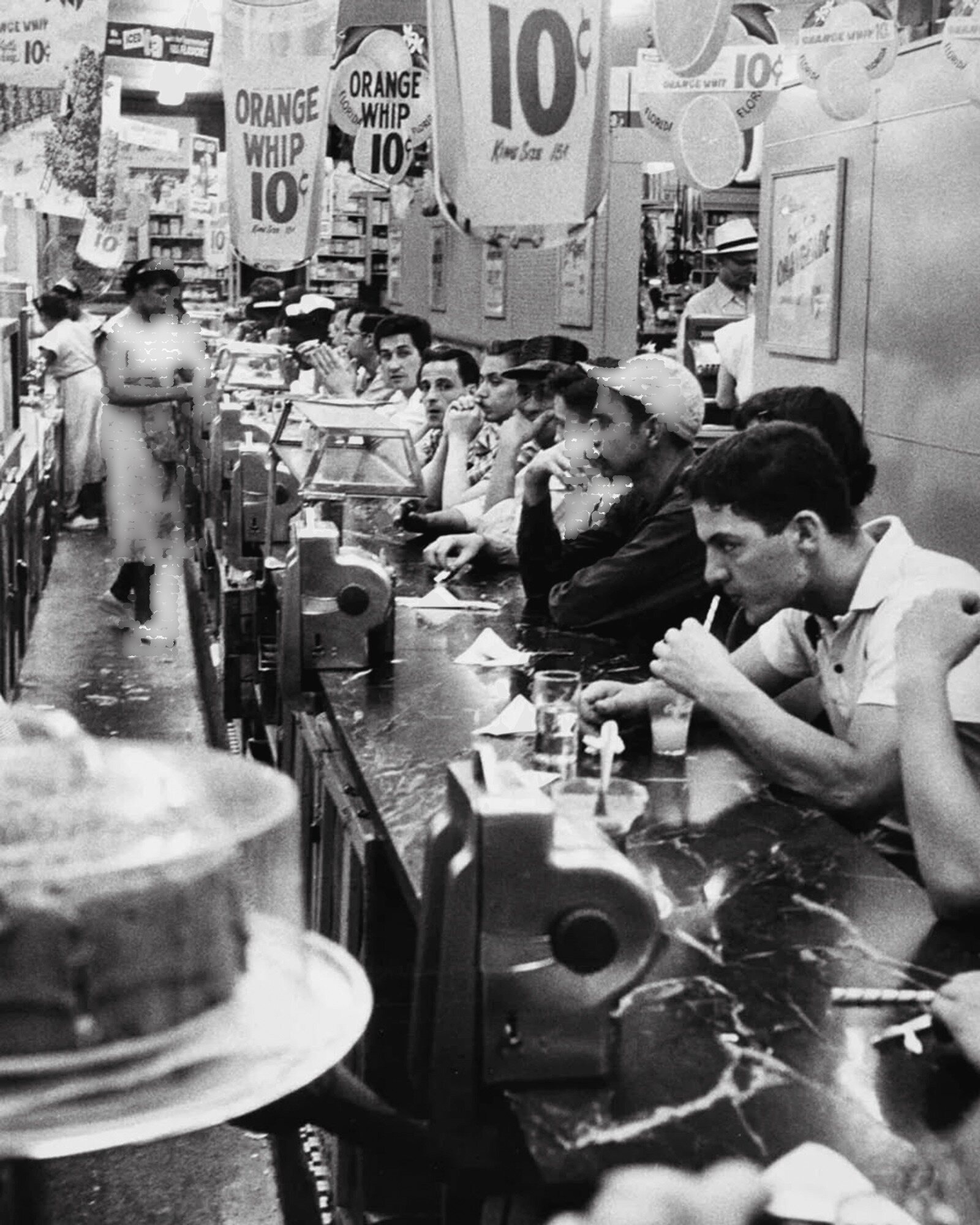
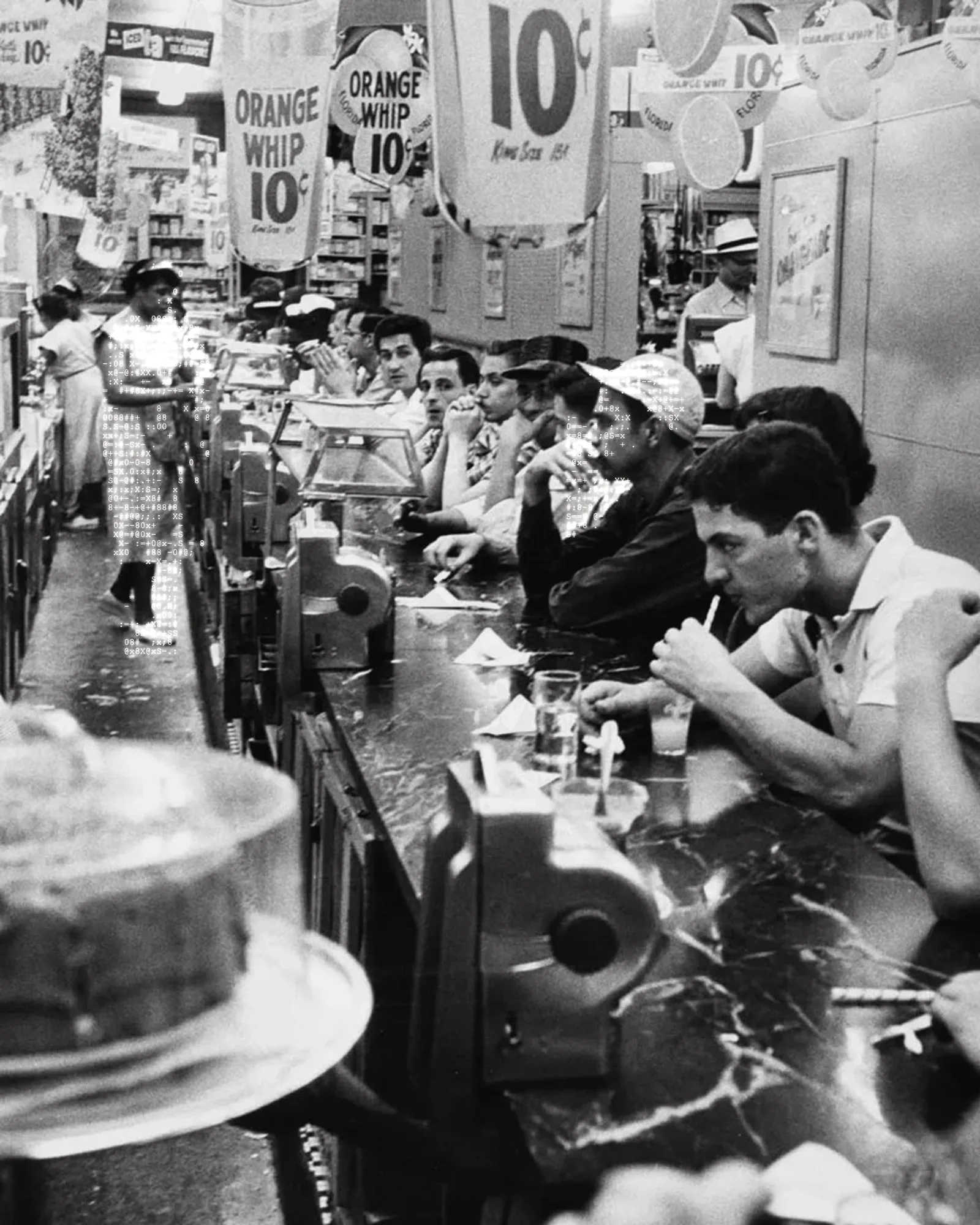
Starting at
the wrong end
“We are in the middle of a digital transformation. That transformation has enhanced many aspects of our lives, but too many companies have left the human behind. They've been so focused on products, they've forgotten about people.”
Will Guidara, Unreasonable Hospitality
An idea like drive-thru AI is one of those that, when said aloud, sounds like the cool future for customers. Even the demo is easy to understand.
Someone orders a burger, the machine answers, and the order appears on a screen. The comparison almost presents itself: a person used to do that, now software does. Put the labor savings on a slide and call it progress.
It is much harder to fit the rest of the restaurant on that slide. In the lobby, a guest needs to clarify an allergy and their order is wrong. Someone has to take responsibility. In the back office, the manager is comparing yesterday's sales with a labor report from another system, trying to work out whether the store made money. A human-sounding conversation at the speaker does not resolve any of the real burden.
The industry has spent too much time treating a restaurant as a collection of tasks to automate and too little time deciding which tasks are worth automating at all. Hospitality gets counted as labor because it comes from a person, when in reality it is where the business started in the first place. The administrative work keeping that person away from the guest gets treated as an unavoidable part of management.
Steve Jobs described the mistake: “You've got to start with the customer experience and work backwards to the technology.”
He followed it with the warning that tends to disappear from the product announcement: “You can't start with the technology and try to figure out where you're gonna try to sell it.”
This reminds me of another piece, the 8-word formula for restaurant success, where Jason Cochran, COO of Sweetgreen, identifies the key missing from everyone's calculus and why brands are reversing blind investments in any shiny AI tool. I will not spoil it here, but the gist is that formulas always miss people.
A model that can take an order creates a technical possibility, but whether it improves the restaurant is a separate question. That question does not get answered by making the model sound more human.
For restaurant technology, there are two people to account for: the operator buying the software and the guest buying lunch. A product has to earn its place in the first person's business without making the second person's visit worse. It is not a single point of contact. Faster ordering or self-service kiosks can do that. Neither is an excuse to stop looking at what happens around it.
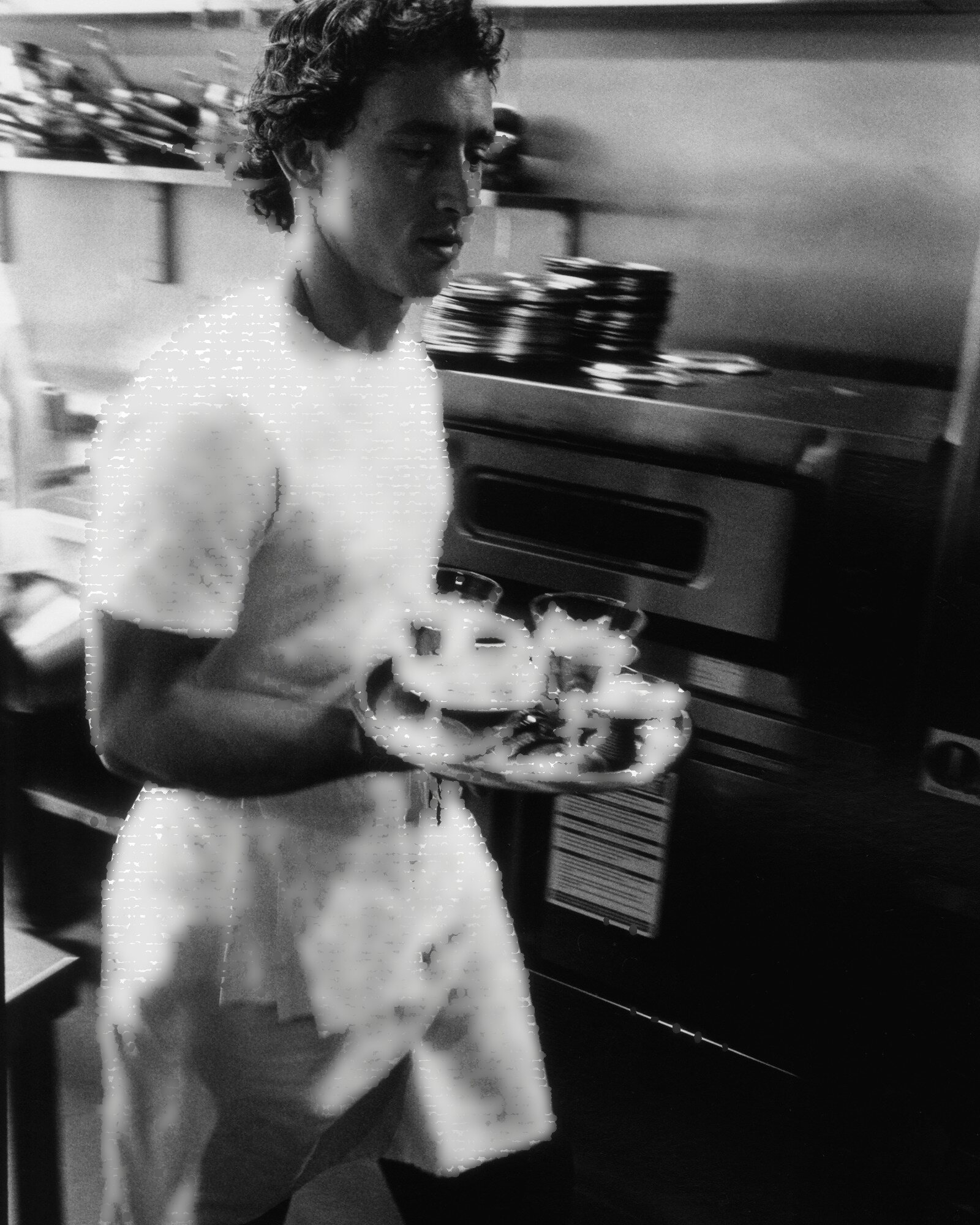
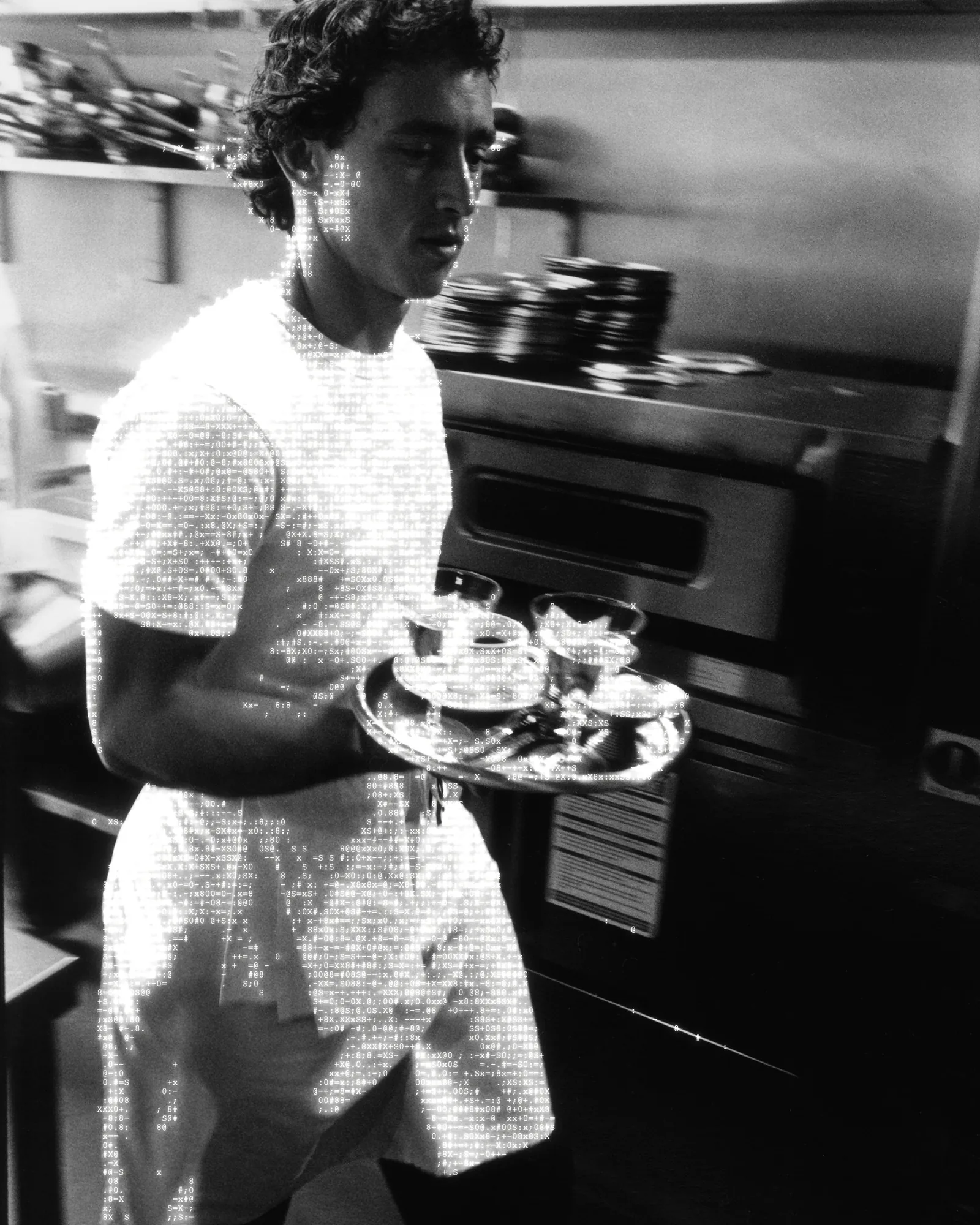
Start with the customer experience and work backwards to the technology.
Before
the model
We started Clave without any AI in the product at all.
My brother and I grew up operating Churromania stores ourselves. Store openings and franchisee conversations were part of our lives long before software was. We were lucky enough to learn the business from people who had spent years running it, and eventually did the work ourselves and understood why some operator complaints never go away.
We found the data was everywhere. Getting it into a useful form was somebody's entire job, all day every day. Sales were in one system, labor in another, inventory on paper. An operator could spend the morning assembling a report and still need to investigate what it meant. Adding locations multiplied the work, even when every store had the same sign above the door.
That was the starting point for Clave. We wanted the report prepared without someone rebuilding it each morning. We wanted to compare stores without first becoming the connection between their software systems. We wanted an operator to spend their time doing, rather than finding and arranging the information needed to decide.
Only then did we work backward to the technology. AI turned out to help us do better what we had already set out to do. It gave us a way to interpret requests, work with operating context that does not fit neatly into a fixed form, and now complete work inside these spread-out systems. The purpose of the company did not change when the technology became useful.
That hierarchy still governs the product today. James works across the systems an operator already uses, automating not just data gathering and analysis, but bringing it through to the value-generating part: action. Recurring reports can arrive where the operator works, including WhatsApp, rather than waiting behind another login. A store comparison can bring sales and labor together. In supported workflows, the operator can review an action and have James carry it out instead of receiving another recommendation to execute by hand.
Some of the work needs AI, while some just needs a reliable integration or a rule that runs the same way every time. The operator should not have to care which part uses which. The entire point of Clave is that they have the space to get back to being human.
Invert.
Always invert.
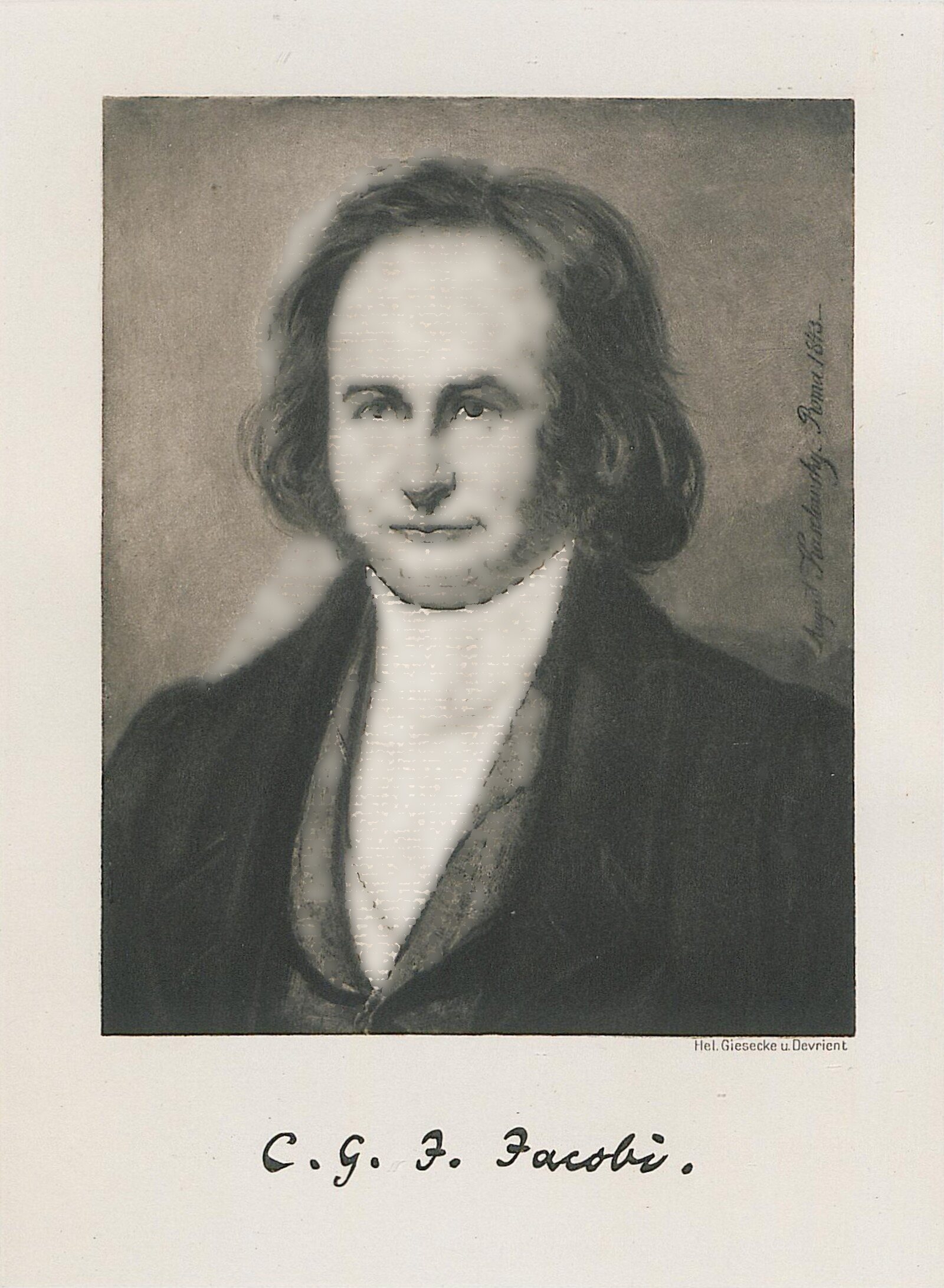
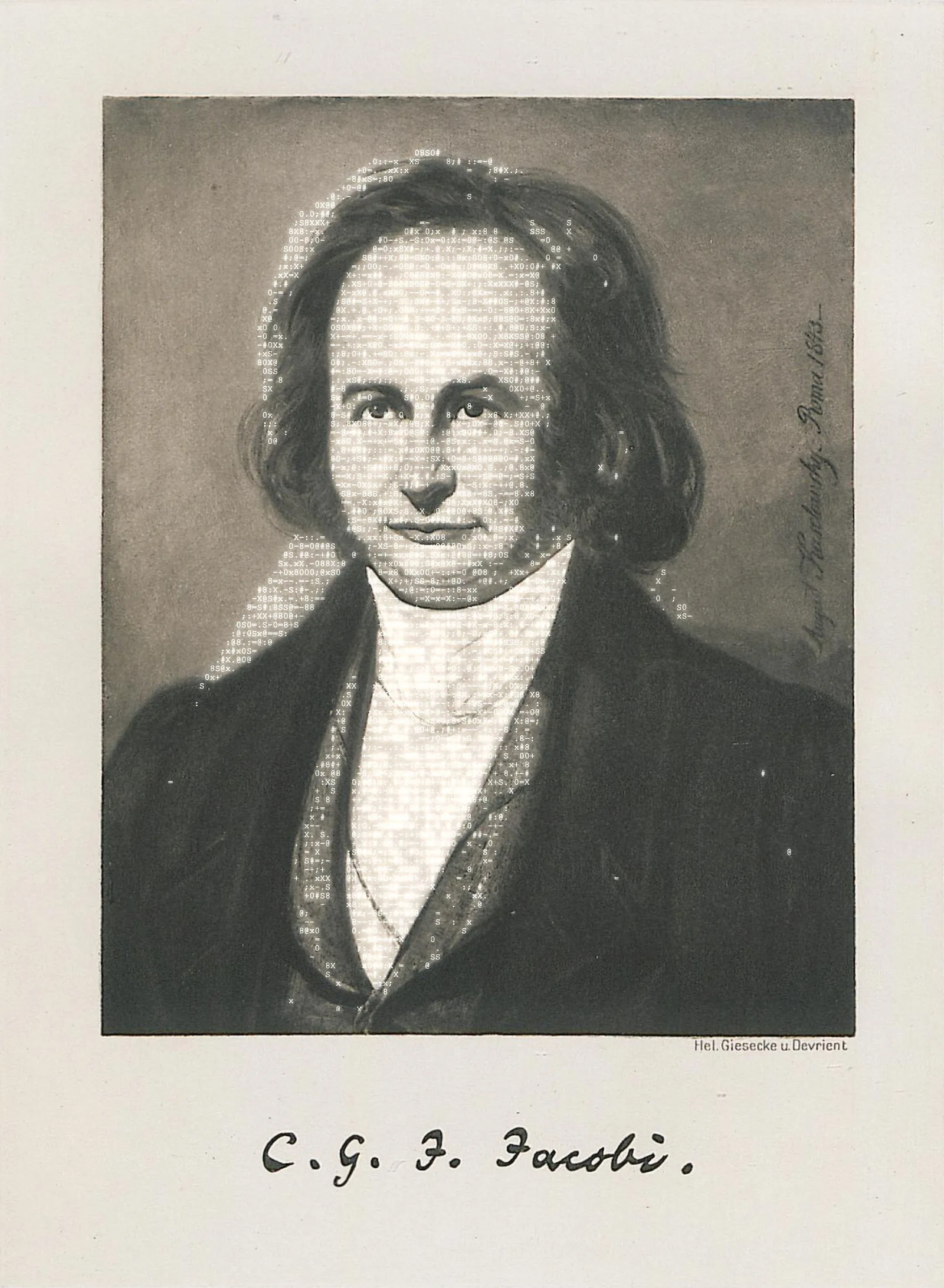
Charlie Munger often repeated the mathematician Jacobi's advice: “Invert, always invert.”
His use of it was practical. Think about how to produce the outcome nobody wants, then avoid the things that would cause it. He repeated it as, “I wish I knew where I was going to die, so I would never go there.”
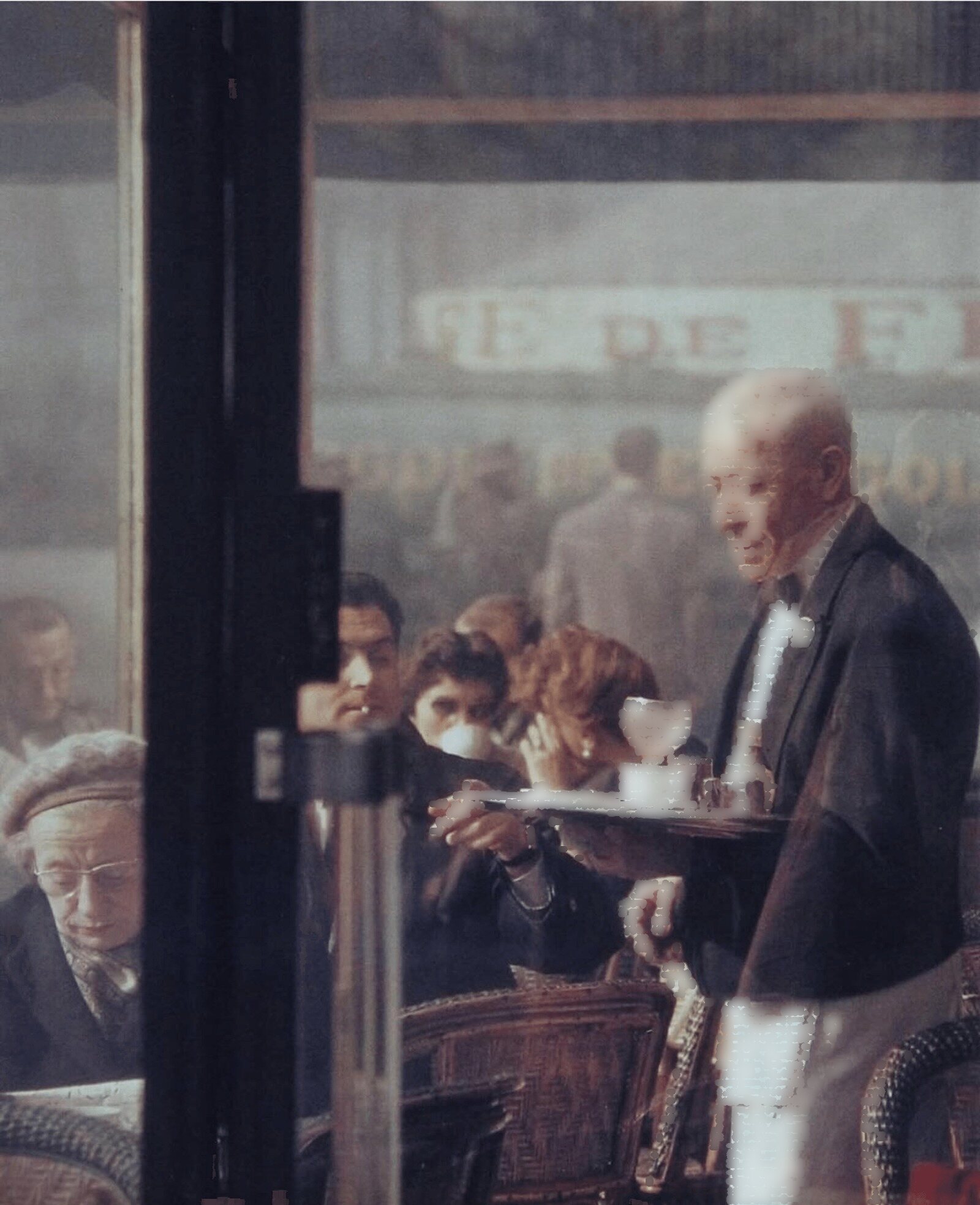
Suppose the goal were to make a restaurant feel less hospitable. You would probably take the manager out of the equation, perhaps keep her occupied at a computer in the back of the house. To make it a horrible experience for the guest, make them navigate random software before anyone greets them. Add another system for the crew to troubleshoot during a rush to ensure they are overwhelmed for the whole shift. Then, to follow the KPI-ification of everything, measure the time taken to complete the transaction without asking first whether the guest ever wants to come back.
That sounds uncomfortably close to the experience the chains in the Journal are now trying to repair.
Inverting the restaurant gives us clearly useful steps for where to put the technology. Get the manager back on the floor with their team and guests by removing the work that keeps them in the office. Let software assemble the numbers, prepare the recurring report, and bring the exception to someone who can make a decision, or take the approved action itself. Preserve the person's attention for the parts of the operation that need it.
Consider a store whose labor cost has been rising. A valuable input would be to compare staffing with sales, identify where the mismatch appears, and help the operator enact a change. Nothing is finished when a chatbot produces a plausible-sounding paragraph about labor efficiency. The operator needs the relevant evidence and a way to act on it. This is the work we build Clave around. There is still judgment involved, and at the end of the day the operator keeps it. Automating the preparation simply gives that judgment more room.
A manager with a few hours back every day can coach the employee who is struggling on the line. They can catch a quality problem before the food leaves the kitchen. In the end, the guest may never see the tools responsible for making that possible. We consider that a perfectly good outcome, perhaps even preferable.
The
long shift
In 2011, Brian Chesky described Airbnb's fight with its European clone as a contest between missionaries and mercenaries.
I believe his objection extends beyond a copied website. The rival, he said, “didn't care at all about the experience.” He believed Airbnb would outlast it because the team cared more about what it was building.
That distinction matters in restaurants, where a convincing demo is a very small portion of the work.
In our industry, franchisees have a mandated point of sale from 1992, suppliers use different pack sizes for the same product, two stores with the same menu have different rushes, and only the person running them knows why. Building useful technology means staying with those details after the easy demo is over, and it makes a world of difference to have experienced them personally. A founder just looking for somewhere to stick an AI model sees them as implementation problems. An operator recognizes them as the business.
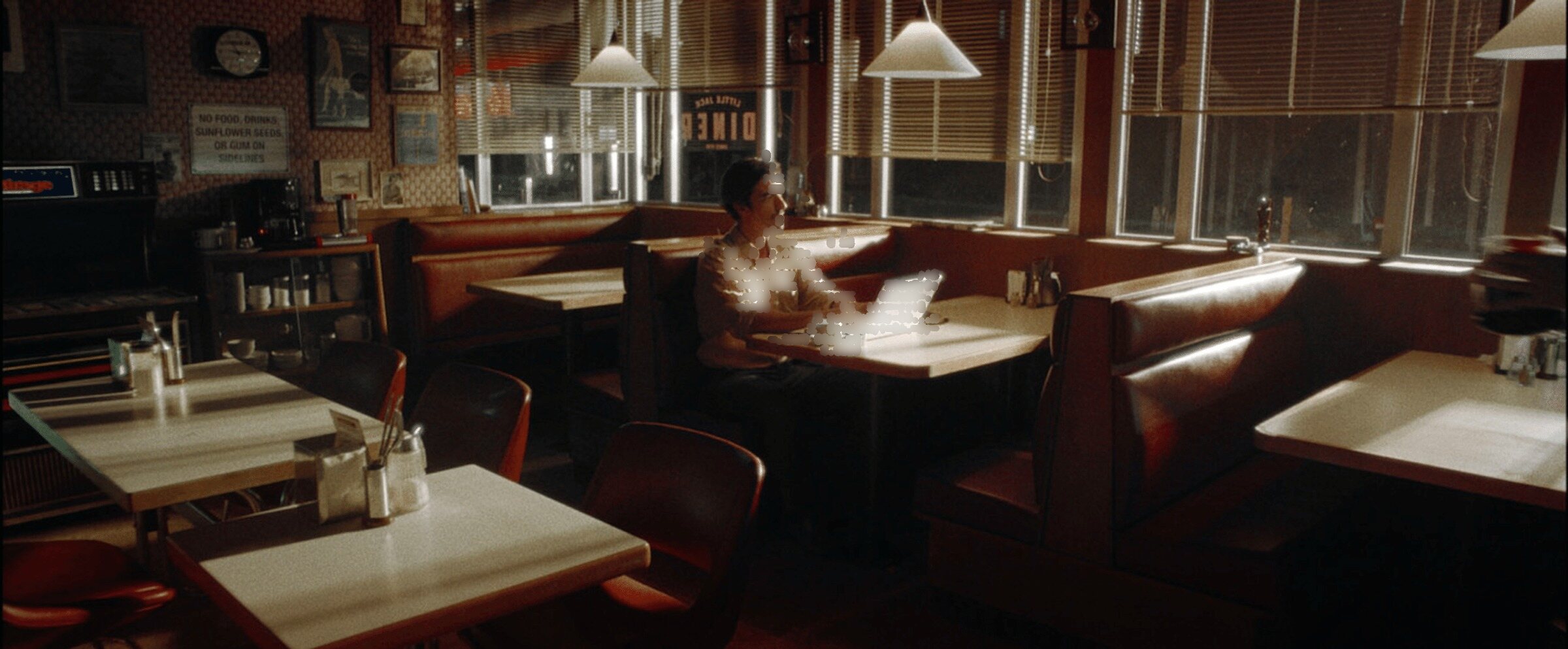
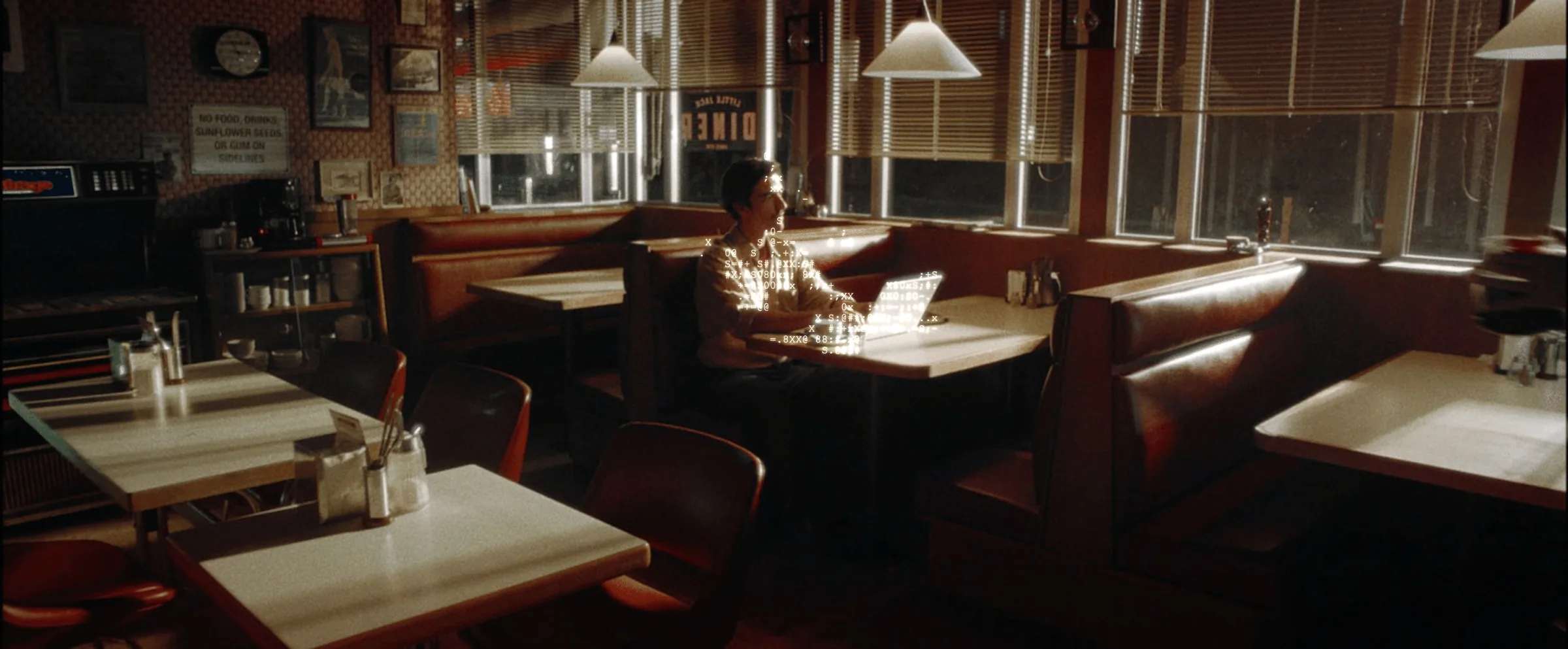
We came to Clave with those lived problems. The restaurant industry was part of our family before it was our market. Our interest in it does not depend on whether restaurant AI remains an attractive category to fund.
That commitment has consequences for the product. A feature that puts on a good demonstration but leaves the operator with more work has failed. A recurring task that disappears from their week has earned its place, even if there is nothing impressive to show on a slide deck. We would still want that outcome if the best technology for delivering it had a different name than AI.
The industry is rediscovering the value of having a person available when a guest needs one, the value of hospitality, the value of the human. We are building Clave so that person has time to be there. The report can run without them. The restaurant should not have to.