You're more ready
for AI than
you think

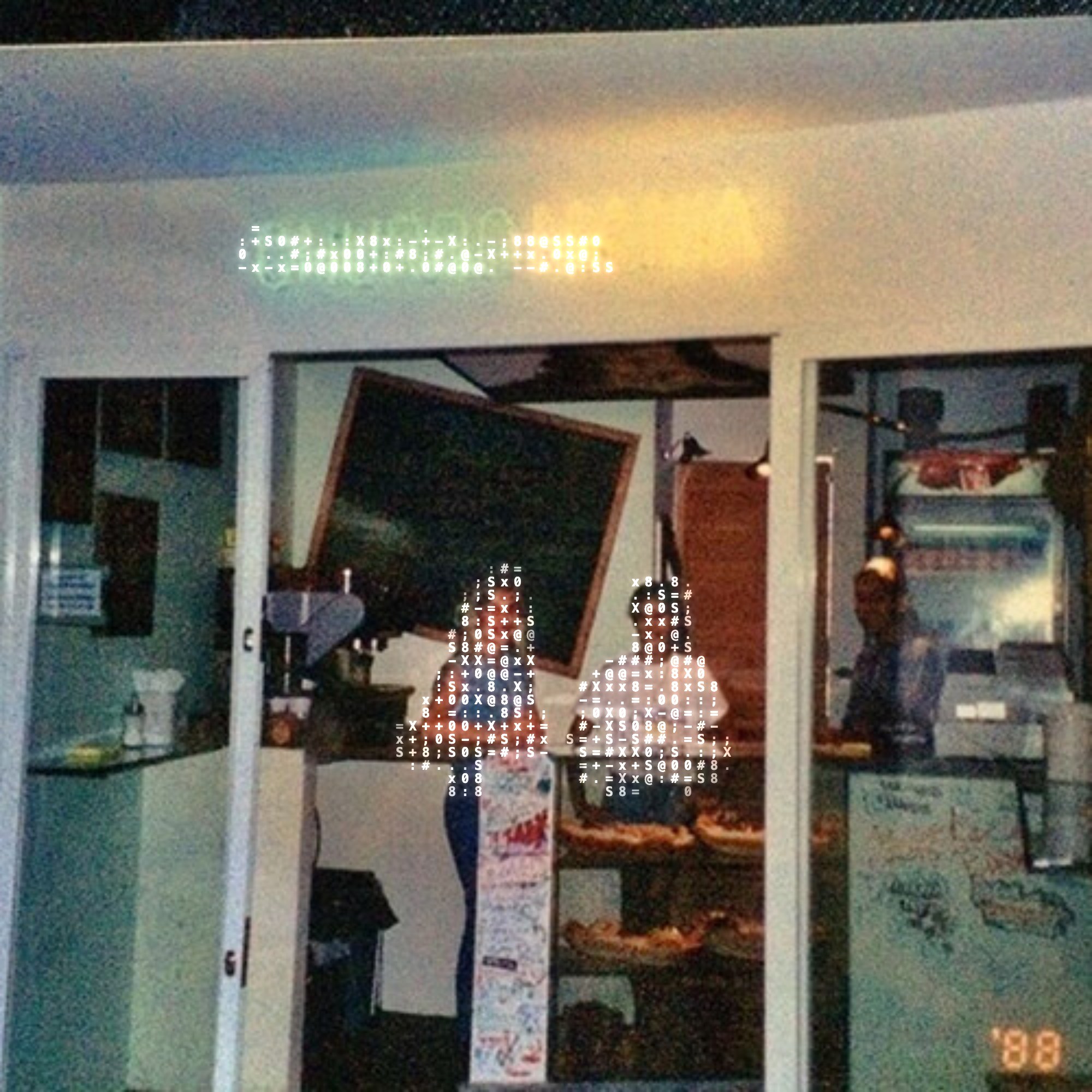
I learned how to fry a churro before I learned English. I grew up inside Churromania, watching my family take what worked in one store and teach it to the next, then the next, until the brand reached more than 120 stores across 10 countries.
That's what franchising is when it works: a way of passing on what the system has learned. A franchisee buys the brand, obviously, but the more important thing they buy is knowledge. They buy the mistakes someone else already paid for. They get an answer for where to open, what to buy, how to train a team, which numbers deserve attention, and what to do when a store starts slipping. None of that knowledge is perfect or complete. Restaurants are too local and too dependent on people for that. But the franchisee doesn't have to begin with a blank sheet of paper.
This is why franchisees are much more prepared for AI than people assume. A franchise system already does the hardest part: it collects experience across many versions of the same business and tries to make that experience useful everywhere else. The technology we've given operators has just been terrible at helping them do it.
We've spent decades making
operators work for their software
A surprising amount of restaurant technology still feels like it was designed in the 1990s because, in some cases, it was. In 1994, Ibertech introduced its Windows-based Aloha POS. CrunchTime was founded in 1995. Newer products have been layered on top since then, but the basic experience has barely changed. An operator logs in, finds the right report, fixes the date range, exports a file, cleans it up, and compares it with another file from another system. By the time they understand what happened, the day they were trying to manage is already over.
Even when the software technically works, people hate using it. That shouldn't be controversial. It's slow, fragmented, and difficult to learn. It adds administrative work to a job that's already physical, unpredictable, and full of interruptions. Then vendors see low usage and decide the answer is another training session. We've blamed operators for refusing to use software that was barely usable in the first place.
Franchisees don't need another dashboard or a webinar on where to find the labor report. The software should read the labor report. It should compare it with sales, understand what changed, and tell the operator what deserves attention. Better yet, it should take care of the repetitive work the operator has already taught it how to do. That's the change agents make possible: the technology can finally do work for the operator instead of creating work for them.
The mess contains
the knowledge
No two stores operate exactly the same way, even when the sign above the door is identical. A mall kiosk and a suburban drive thru might sell the same product, but their rushes, staffing needs, footprints, and customer behavior are completely different. One franchisee may trust the POS as the final source for sales. Another closes the week from the accounting system. Local rules, school calendars, weather, delivery volume, and the habits of the management team all change how the store runs.
Old software asks the operation to flatten those differences before it can be useful. Everyone has to follow the same process and enter the same clean information into the same boxes. Anything outside the template becomes an exception for the operator to resolve.
An agent can learn why the exception exists. The operator can show it which system is the source of truth for a particular question. They can explain that one location needs a different labor rule, that Tuesday's invoice uses an unusual pack size, or that a closed store should be removed from the weekly comparison. The agent can retain the correction and use it the next time the same situation appears.
That's why the apparent mess matters: it contains the actual operating knowledge of the business. It tells us how the manual changes when it meets a real store, a real market, and a real manager.
For years, most of that knowledge has stayed in people's heads. The best franchisees know things the rest of the system would benefit from knowing, but there has never been a good way to capture those lessons as they happen. A field consultant may notice one during a visit. Someone may bring it up on a call. A useful idea might eventually reach a training deck or the next version of the operations manual. Plenty of it never travels at all.
One store should make
another store smarter
Imagine that a location keeps missing its labor target during a particular daypart. The operator changes the schedule and performance improves. The lesson isn't simply that they removed an hour from the schedule. It includes the sales pattern, order mix, staffing constraints, and everything else that made the decision work in that store. Somewhere else in the system, another operator may be dealing with the same pattern without knowing it. They shouldn't have to rediscover the answer alone.
An agent can help carry that knowledge across the network. It can understand the conditions around the decision, see which other stores resemble the first one, and make a relevant recommendation sooner. The second operator still decides what to do. Their result then adds another piece of evidence to the system.
This has to be done carefully. A mall kiosk shouldn't teach a drive thru how to staff dinner simply because both locations share a logo. One franchisee's private information shouldn't be handed to another. The agent needs context, clear permissions, and enough judgment to know when two stores are genuinely comparable.
But that's a solvable problem, and solving it gets us closer to what franchisees thought they were buying in the first place. The experience of the network becomes available to the individual operator when it's actually useful.
A manual tells a franchisee what the brand knew when the manual was written. Training gives them the system's best understanding at a particular moment. An agent can add what the network learned yesterday.
The operator teaches,
the agent acts
There is a version of AI adoption that sounds exhausting. First comes an AI readiness assessment, then a committee, a data cleanup project, a migration, and months of training before anyone is allowed to find out whether the thing helps. Restaurant operators aren't going to do that, and they shouldn't have to.
Start with a piece of work they already do. It could be the daily sales summary, the weekly store comparison, a labor plan, or the inventory workflow that always runs late. Give the agent access to the relevant context and let the operator review the result.
The first attempt will need correction. That's normal. The operator explains what was wrong, which source should have been used, and what rule matters next time. The agent keeps that instruction and applies it again. As the operation changes, the operator changes the rule.
This is what makes the workflow both flexible and automatable. Operators don't need to translate the way they work into a rigid implementation document before they begin. They teach the agent through the work itself. Once a rule is understood, they shouldn't have to repeat it every Monday morning.
That's how we think about James at Clave. James connects with the systems operators already use and begins with work that already exists: recurring reports, store comparisons, and the exceptions that need a human decision. Operators stay in control, approving the actions James carries out. The point isn't to build an AI that claims to know the restaurant better than the person running it. We're building technology that's finally capable of learning from that person.
Give the restaurant
its operator back
Restaurant managers have been buried in administrative work that has little to do with why they joined the business. Nobody opens a restaurant because they want to spend Sunday night reconciling delivery statements or merging spreadsheets.
The work that matters is on the floor. It's taking care of the guest, protecting the quality of the food, improving the experience, and developing the team. Sometimes it's as small as noticing that a new employee needs another hour of coaching, or that a regular guest had a bad visit and deserves a conversation with someone who isn't staring at a laptop.
A useful agent creates more room for those moments. It prepares the report, watches the numbers, finds the exception, and brings the operator something they can act on. When the operator approves a repeatable task, the agent can take care of it the next time instead of asking a person to do it forever. We should judge this technology by the time and attention it gives back, not the number of features on its dashboard.
Let the transformation
follow the proof
A franchise system doesn't need to announce a giant AI transformation. It needs to find one annoying, repetitive workflow and make it better.
Once the agent handles that work reliably, people will ask for more. The manager who gets hours back will want it in another part of the operation. Other managers will want access. The operations team will see another workflow it can teach. Trust will grow because the work is getting done, not because someone presented a strategy deck.
This is how the change will spread through franchise systems. One useful workflow becomes a few. The agent gets more context and takes on more responsibility. The people inside the organization decide what it has earned the right to do next.
Franchisees don't need to become technologists for this to happen. They need to want a better operation and be willing to make the technology work on their behalf. They already teach employees, share lessons with other operators, revise processes, and respond to what the numbers tell them. They already participate in a system designed to move knowledge from one store to another. Agents give that system a memory that can listen, learn, and do some of the work.
Franchising has been preparing for this for decades. The manuals, field visits, store comparisons, operator calls, corrections, and shared mistakes all built the foundation. AI gives us a better way to carry those lessons forward without pulling the operator farther away from the restaurant.