The Bounded
Stack
Tools today only see themselves and act within their walls, if at all. Operators are not confined to one place, and neither should agents be.
They automated the window,
never the room
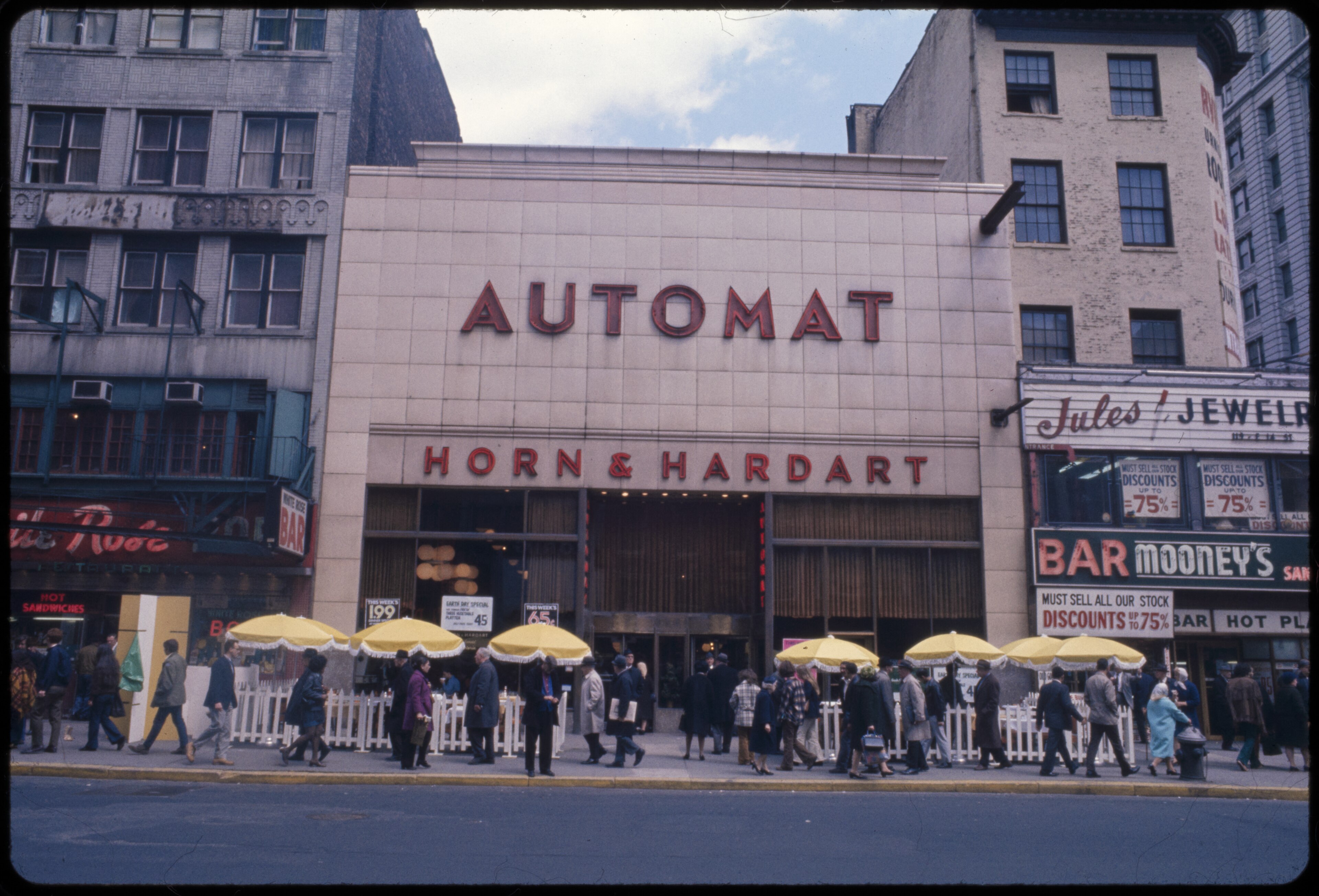
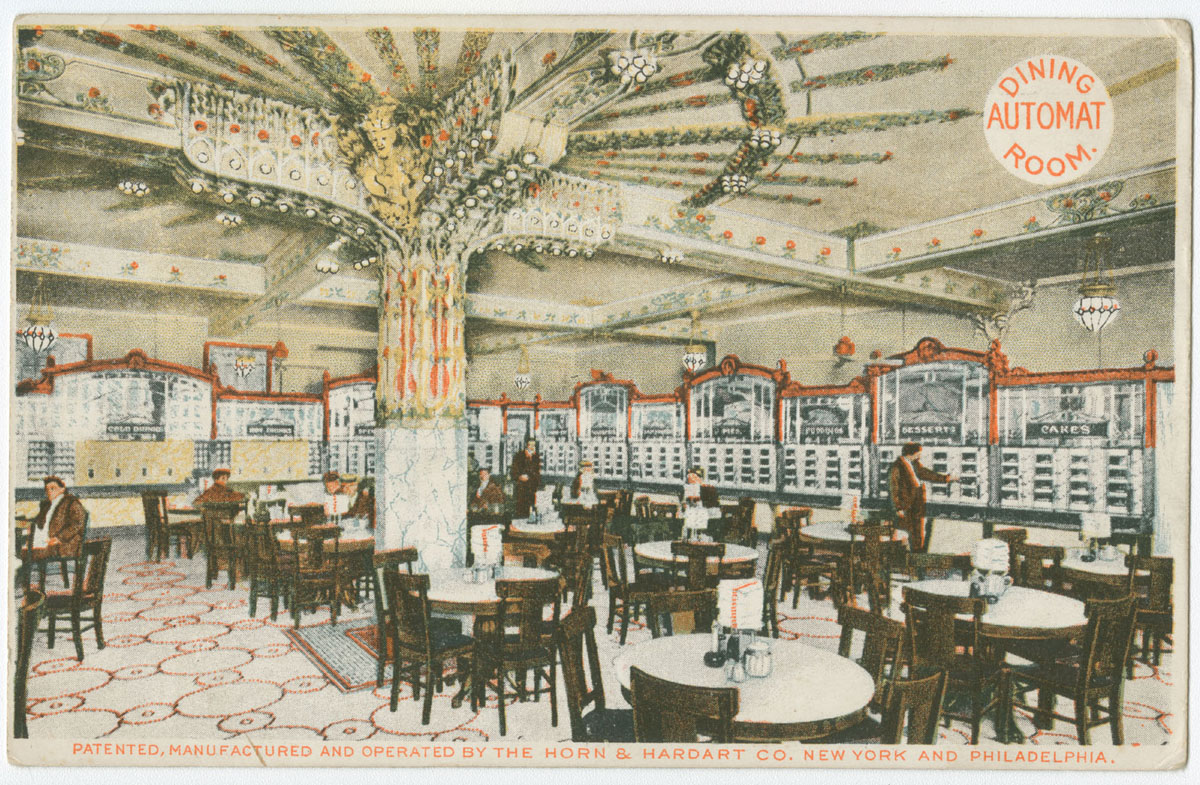
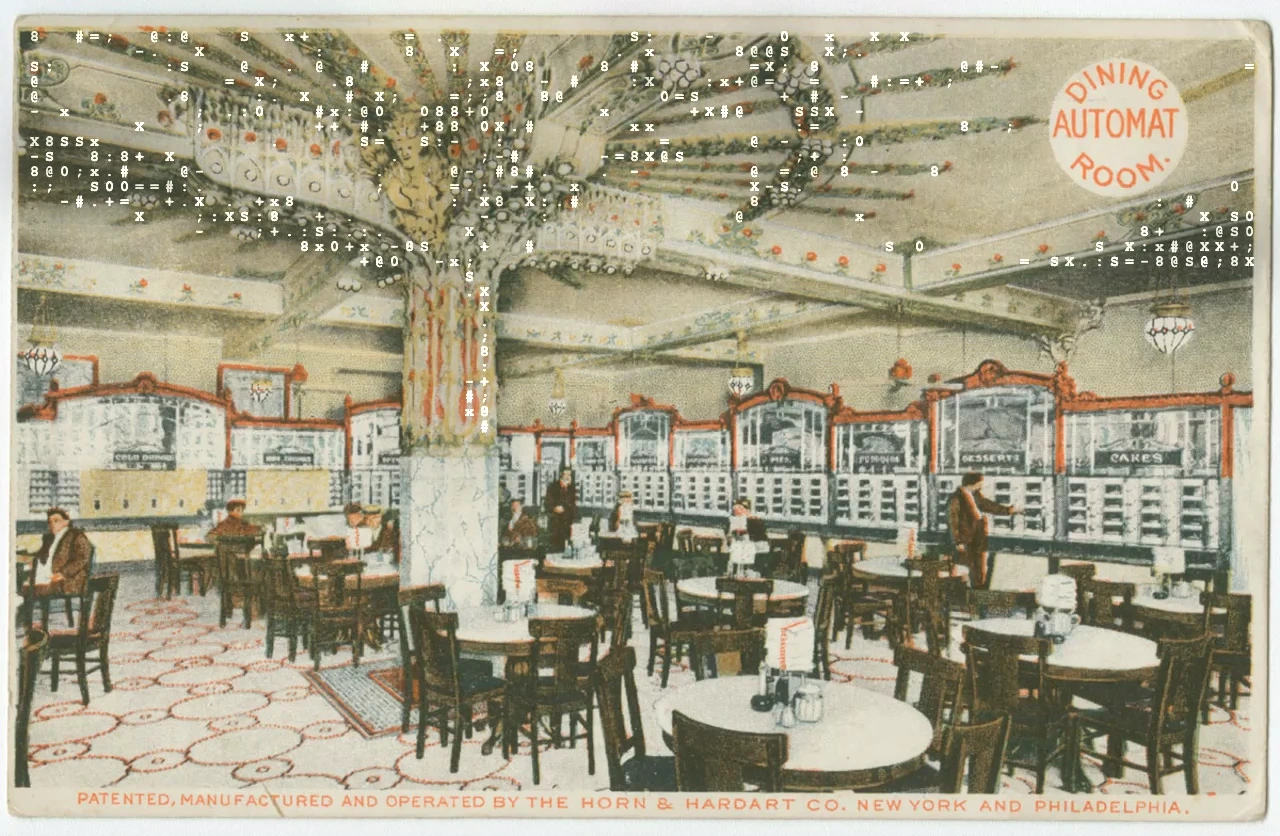
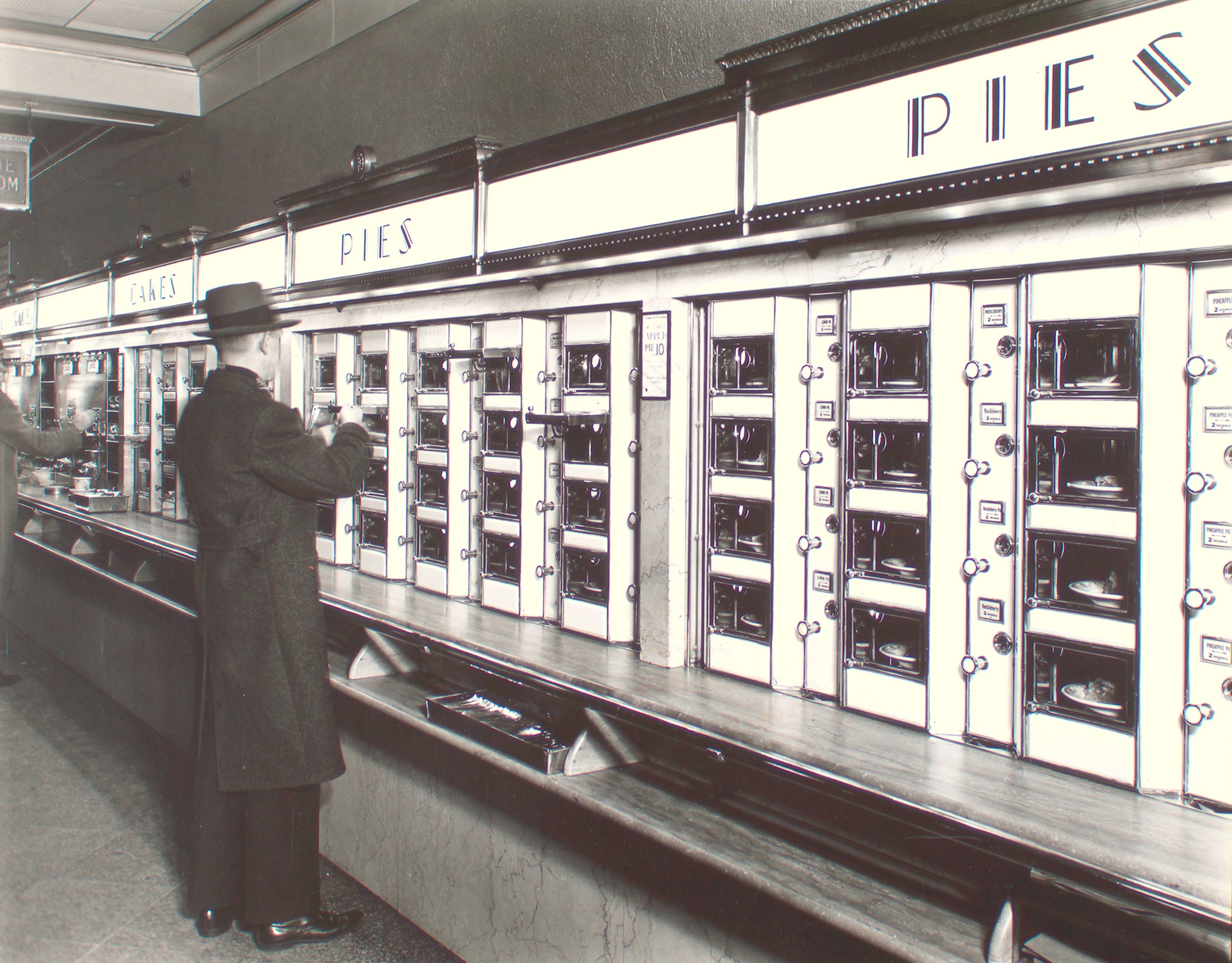
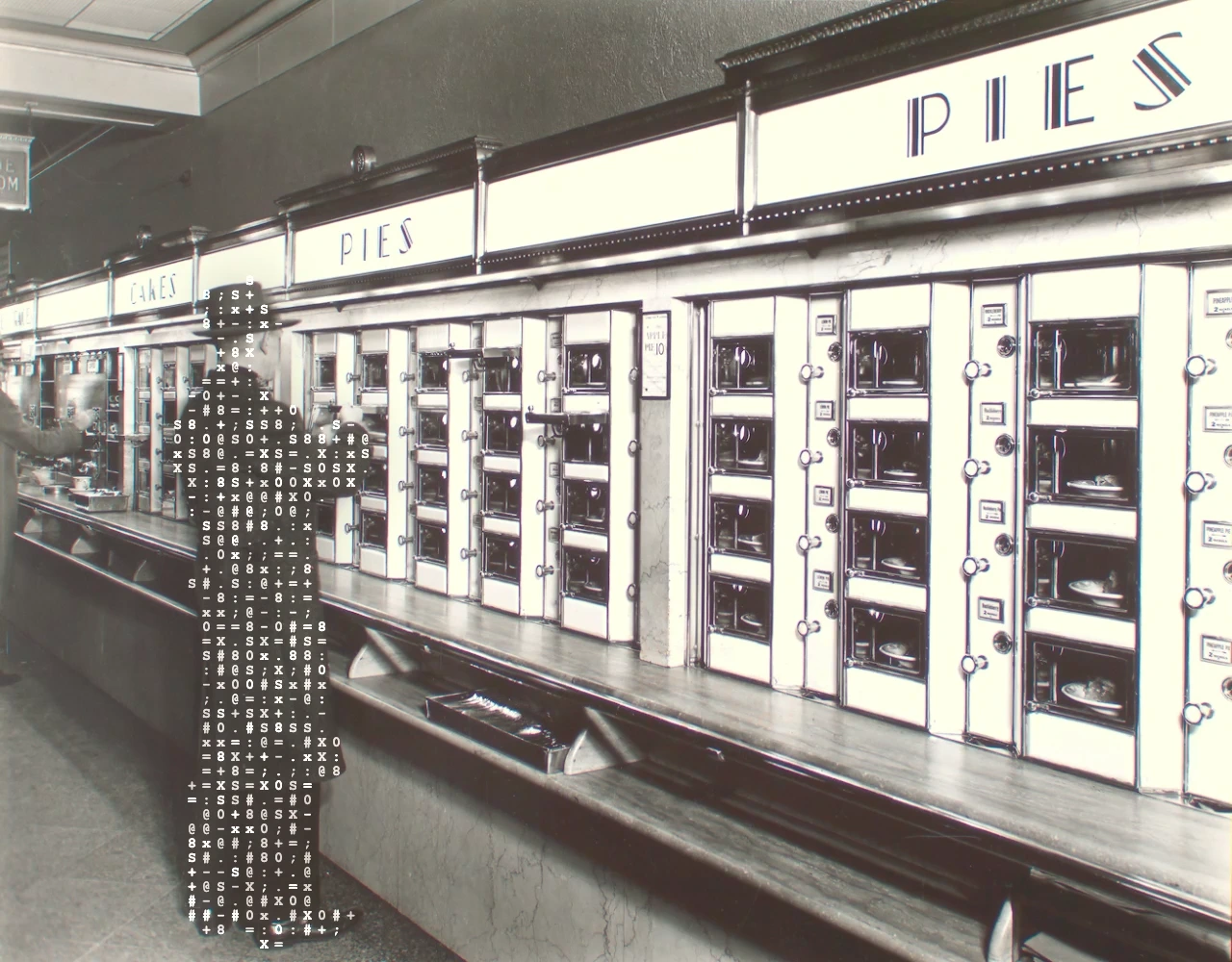
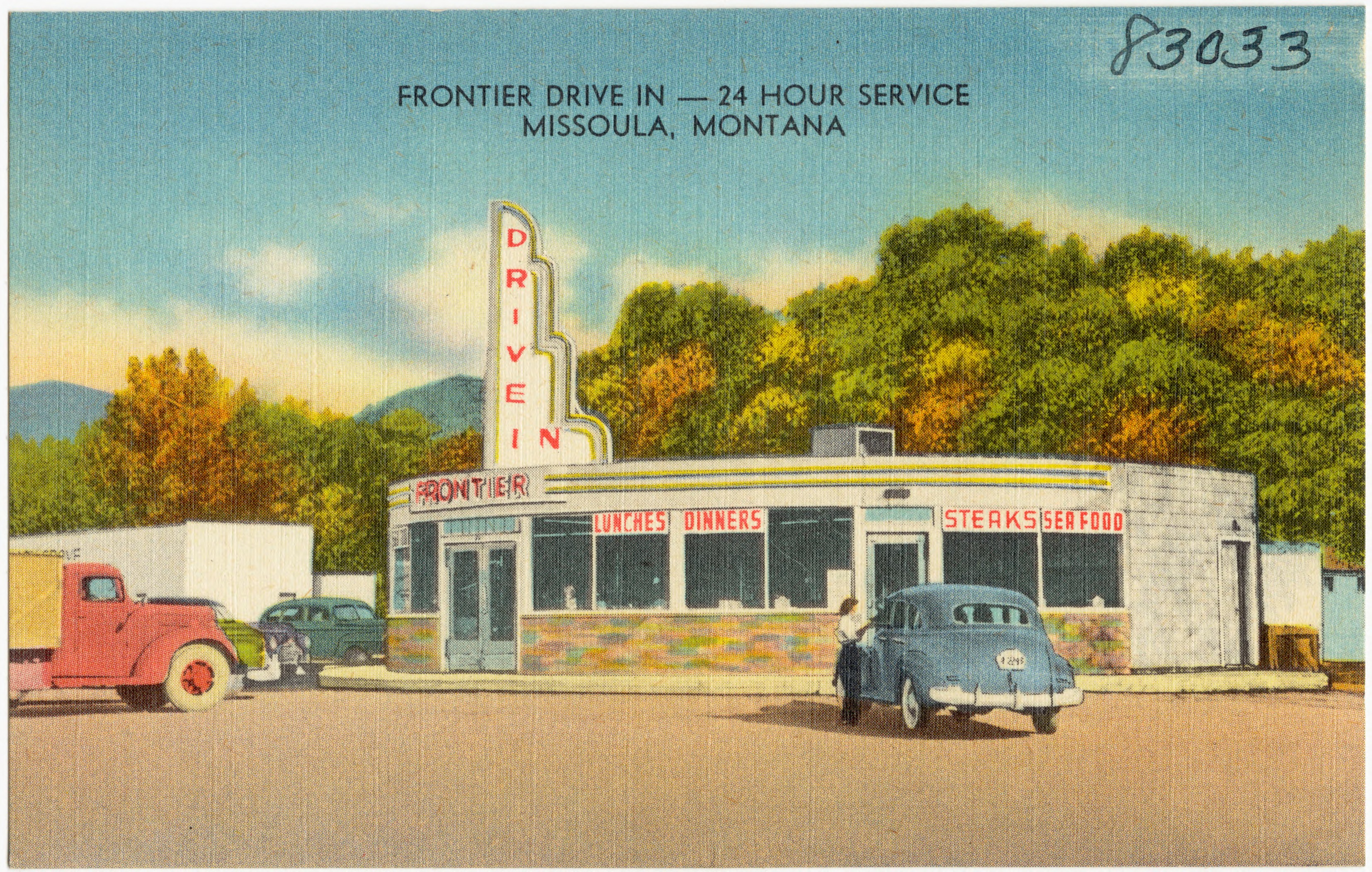
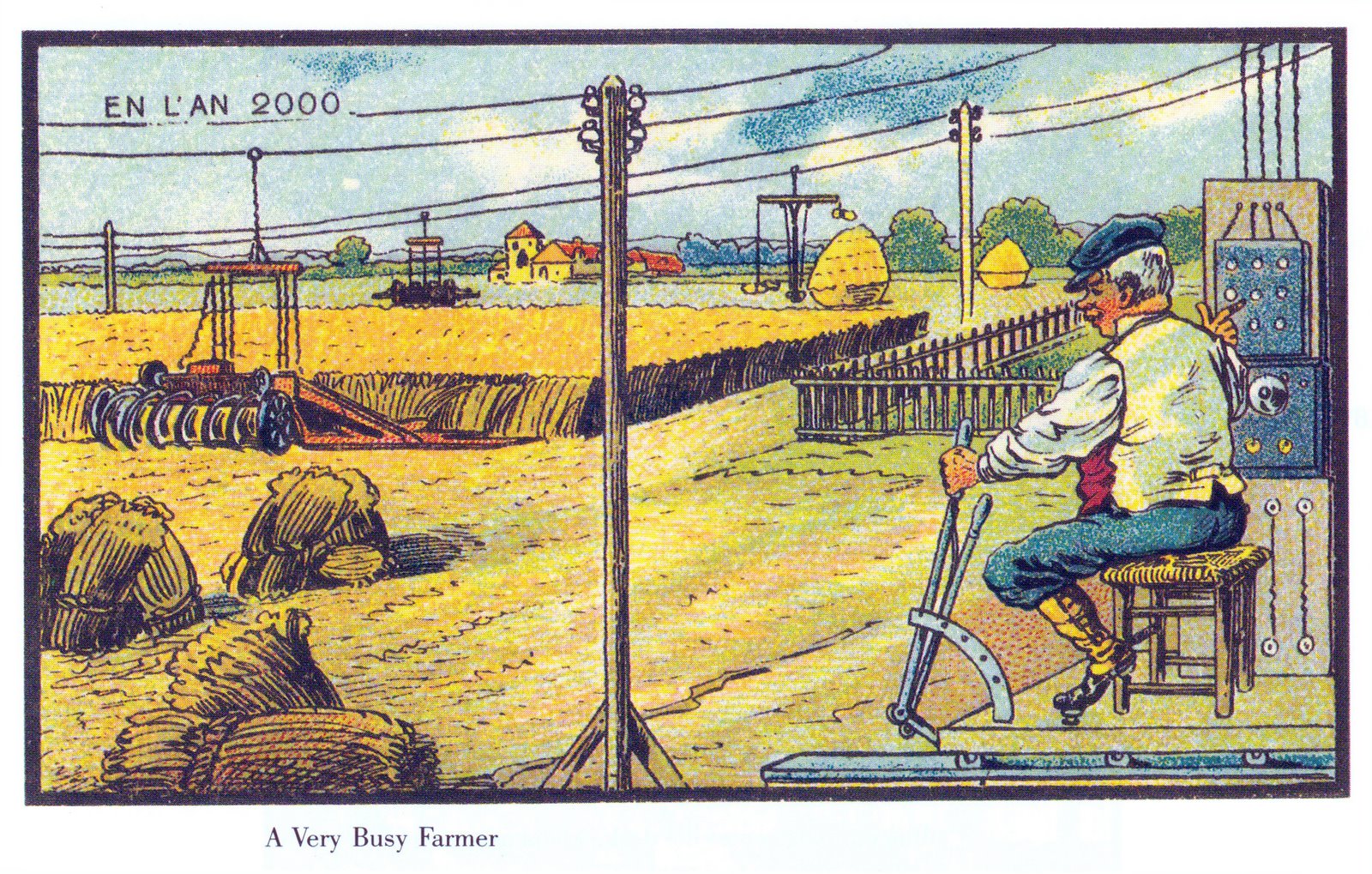
In 1902 two men named Horn and Hardart opened a room in Philadelphia where the food waited behind a wall of small glass doors and a nickel opened any one of them. No waiter, no order, no wait. The automat was the most photographed idea in the history of American eating, and it ran for eighty years.
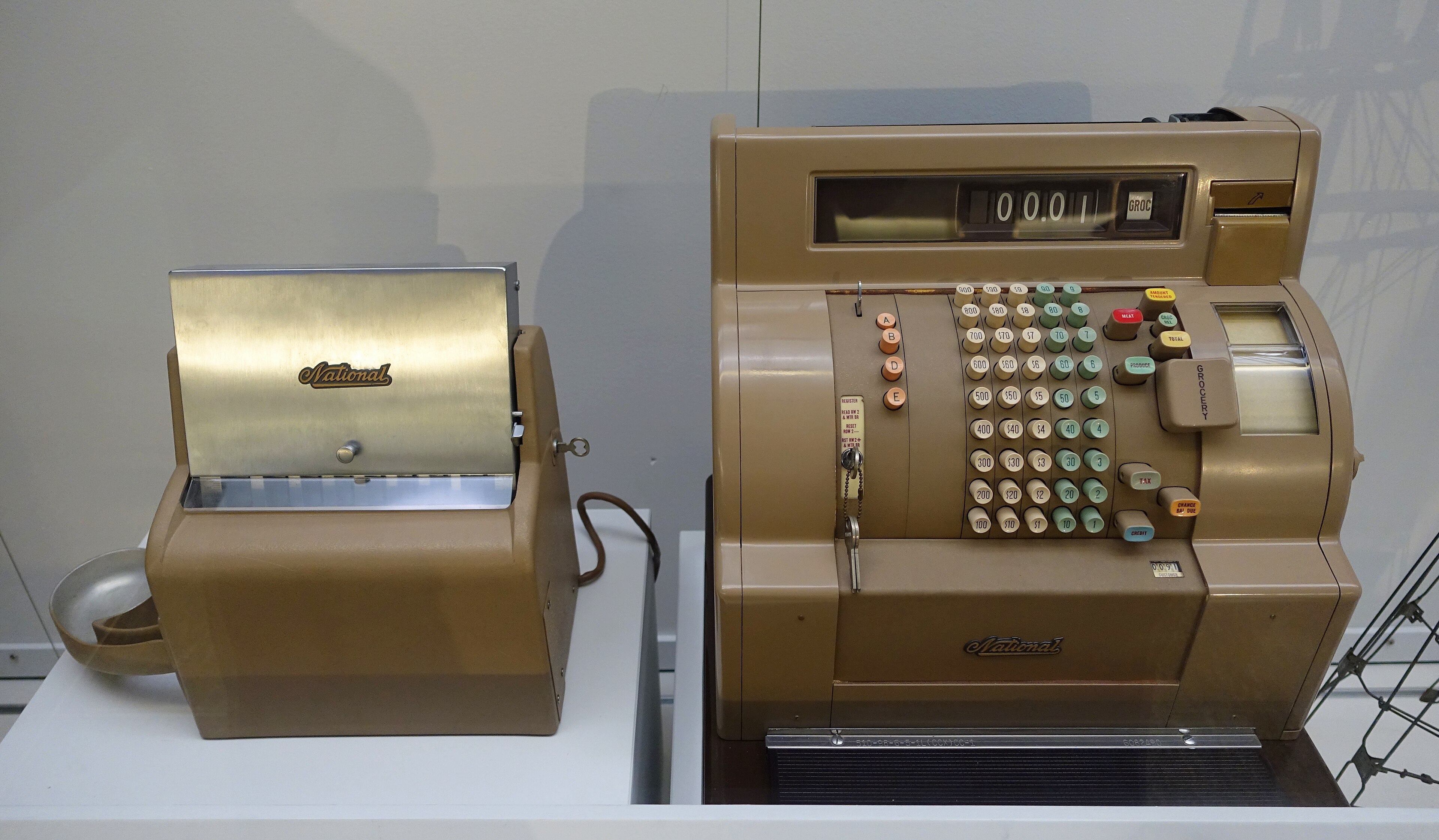
But the wall was just that: a facade, a gimmick, a fake future that changed nothing. Behind the wall, nothing had changed. People still cooked. People still counted the coins, still walked the stockroom with a clipboard, still sat under a bare bulb after closing adding up whether the week had been worth it. The automat automated the side of the wall the customer could see, because that is the side that photographs well.
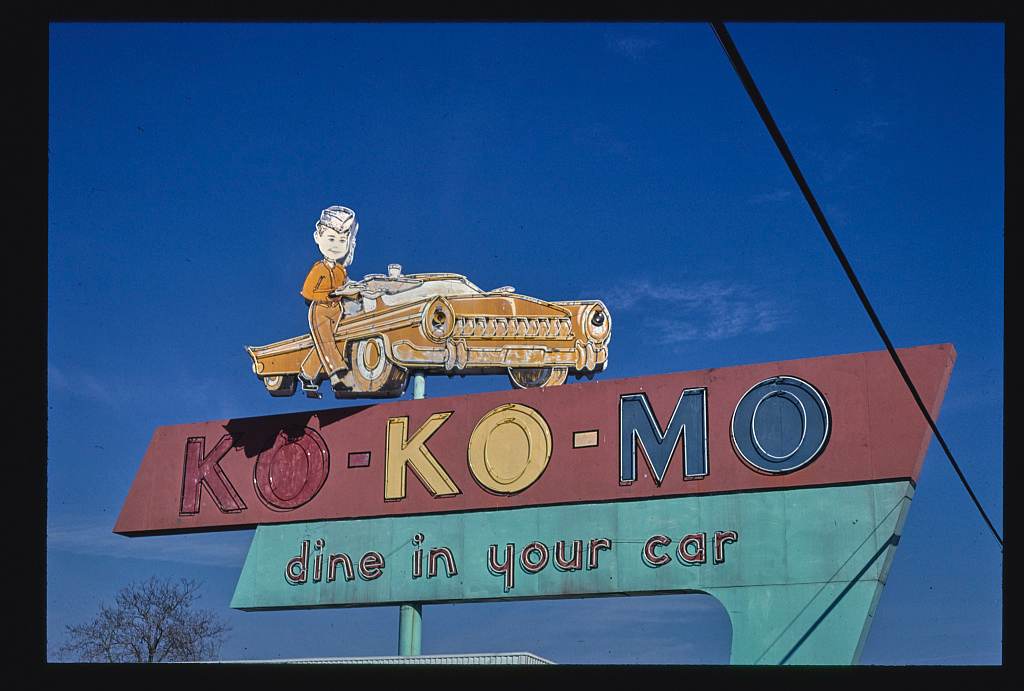
The industry has been repeating that trick ever since. Carhops became speaker boxes. Speaker boxes became voice AI. Registers became kiosks, fry stations became robots, and every one of those was a photograph waiting to happen. In 2026 an operator can run a language model on the drive-thru lane and a robot on the fryer, and the general manager of that same store will still spend Sunday exporting four spreadsheets to find out what Tuesday cost.
Everyone built sexy because sexy is easy and obvious. But sexy does not move the needle in a useful way.
This report is about the other side of the wall. Forty-nine companies now sell artificial intelligence into restaurants. We read what each of them can actually reach, and the answer came back the same way almost every time.
The average quick-service restaurant runs up
to fifteen technology vendors. Some run over thirty.
Thirty years of
faster horses












Every one of these systems was chosen with good intent. The point of sale made sense the year it was signed. The back office was the best thing on the market when a predecessor bought it. The labour system arrived with an acquisition that paid for itself. None of it was a mistake. It simply got old, and the companies that sold it got comfortable, because a contract that renews itself is not much of an argument for rebuilding anything.
Tenzo, an analytics vendor with more than a hundred connectors, put a number on it in its own 2026 guide: a typical multi-site group keeps its data across five to fifteen separate tools. Yum Brands, which is spending heavily to build its own platform, has said the average quick-service restaurant runs up to fifteen technology vendors and that some run more than thirty.
Hold the products against that. Toast IQ is good software, and it reads Toast. Square AI is good software, and it reads Square. Restaurant365 built its model on the general ledger, the strongest single substrate anyone in this category has, and it reads the ledger. Crunchtime reads Crunchtime. Delaget reads the feed it was handed.
None of that is incompetence. It is architecture. A point-of-sale company cannot build its future on reasoning across a competitor's data, and a back-office suite has no reason on earth to conclude that the answer lives in a system it does not sell. The wall is not a defect in the product. The wall is the product.
Which is why the map alongside has two axes and only one of them is about intelligence. The horizontal asks how much of a real operator's stack a product can see. The vertical asks whether it stops at telling somebody, or goes and does the thing. Almost every company in this industry is excellent on one axis and structurally forbidden from the other.


















































Nine vendors,
nine walls
Every company in this chapter says it sells artificial intelligence. The announcements are frequent, the language is confident, and what shipped is a faster horse.
Toast IQ edits menus and cuts shifts from a chat window, which is real work and which stops at the edge of Toast. Square released a proactive agent in April 2026 and offered it to sellers who are not franchisees. Oracle's assistant answers why a workstation printer is not working. NCR Voyix has published a single sentence about its. Clover, whose marketing calls it the world's smartest point-of-sale system, does not appear to document a merchant assistant at all. Ask an operator what changed in their back office this year and the answer is usually nothing.
We put the same eight questions to all nine sets of documentation. The answers are in the table alongside.
Not one of the nine documents its AI reading a third-party payroll provider. Not one documents reading a third-party scheduling system. Not one documents reading delivery payout or chargeback data. The only outside reach anywhere in the set belongs to SpotOn, which connects to QuickBooks Online, Xero and Restaurant365, and which says plainly that it will not act on what it finds.
Set that against a real franchisee. Payroll is usually not the point-of-sale vendor's. Scheduling frequently is not either. The delivery statement arrives from three marketplaces that have never spoken to the till. Those are three of the places where multi-unit margin quietly leaves the building, and by their own documentation, none of these products can see any of them.
A few entries earn their own line. Square offers its proactive agent to "most non-franchise" sellers, which places a franchisee outside the product by the vendor's own definition. Toast called enterprise and multi-unit capability "planned in the future" on the day it launched. Oracle's assistant, whatever the name suggests, answers questions like why a workstation printer is not working. NCR Voyix has published one sentence about Voyix Insight. Clover, whose marketing calls it the world's smartest point-of-sale system, does not appear to document a merchant assistant at all.
| Vendor | 3rd-party payroll | 3rd-party scheduling | 3rd-party back office | Delivery payouts | Takes actions | Approval gate | Franchise / multi-unit |
|---|---|---|---|---|---|---|---|
| ToastToast IQ | ND | ND | ND | ND | Yes | Accept flow | Enterprise "planned in the future" |
| SquareSquare AI / Managerbot | ND | ND | ND | ND | Yes | Yes, explicit | Open beta excludes franchise sellers |
| SpotOnProfit Assist / Profit AI | ND | ND | Partial, accounting only | ND | No | n/a, advice only | Multi-location on roadmap |
| CloverNo assistant documented | ND | ND | ND | ND | ND | ND | ND |
| LightspeedLightspeed AI | ND | ND | ND | ND | No | n/a | ND |
| NCR VoyixVoyix Insight | ND | ND | ND | ND | ND | Not documented | ND |
| OracleSimphony Smart Assistant | No | No | No | No | No | n/a | Support scope only |
| QuIntelligent Commerce Platform | ND | ND | ND | ND | ND | Not documented | Enterprise only |
| PAR TechnologyPAR AI / PAR Intelligence | ND | No | No | Not explicit | Claimed | None documented | Multi-unit first |
| ClaveAI agent for the back office | Yes | Yes | Yes | Yes | Yes | Yes, explicit | Multi-unit franchise |
They have held the data
and never touched the work
The back-office incumbents have held this data for thirty years. Holding it is the one thing they have always been good at.
Crunchtime sits in more than 150,000 locations across 850 brands and is genuinely excellent as a system of record. Its own reviewers on G2 report roughly seven months to implement and twenty-one months to pay back. That is not a knock on the engineers. That is what happens when a language model is bolted to a codebase older than the smartphone.
Restaurant365 has the best substrate in the industry, with accounting, operations and point-of-sale in one database, and launched an intelligence engine on it in May 2026. It also carries a public complaint record describing billing that ran on through implementations that never finished, and an operator on a public forum describing being held, in his words, hostage for six thousand dollars.
PAR paid $132m for Delaget and says it intends to become the AI platform for restaurants. It is six acquisitions into six years, still unprofitable on a GAAP basis, and Brink, Data Central and Delaget remain three separate codebases. The product it has not shipped is the one it is selling.
And Altametrics, quietly running the back office inside McDonald's, Taco Bell, Little Caesars and Pizza Hut franchise systems, has announced no AI product at all.
Crunchtime
The deepest enterprise back-office install base in the industry, with a new AI layer announced across 2025 and 2026.
Reviewers report seven months to implement and twenty-one months to pay back. The intelligence sits on a codebase older than the smartphone.
Restaurant365
The only platform holding accounting, operations and point-of-sale in one database, which is a genuinely strong place to build a model.
The instincts are financial, not operational. Public complaints describe billing that continued through an implementation that never happened, and an operator on Reddit describing being held "hostage for $6,000."
PAR Technology
Bought the incumbent franchisee analytics product and now positions itself as "the AI platform" for that buyer.
Six acquisitions in six years, still unprofitable on a GAAP basis, and Brink, Data Central and Delaget still three separate codebases. Integration is the piece that never shipped.
Altametrics
Runs the back office inside some of the largest franchise systems on earth.
No public AI product. It is a place other tools export from.
Fourth
HotSchedules is the default scheduling app in American chains, with the manager attention to match.
Two merged legacy platforms. iQ recommends actions, drawn only from Fourth's own data.
Tenzo
The broadest integration list of any analytics vendor, and unusually honest public writing about the problem.
Its own 2026 guide concedes the data sits in "five to fifteen separate tools." It joins them and returns another dashboard.
Half a product,
fully funded
Every company in this chapter raised real money and built part of the job properly. None of them built the parts that generate the value.
Nory has raised sixty-two million dollars and built something genuinely agentic, with real customers and published outcomes. The software is not the problem. The problem is that it asks an operator to replace the stack, and a franchisee does not own the decision that would let them say yes.
Sona has raised over a hundred million and shipped autonomous scheduling with measured savings at a large franchised brand. It is the best labour product anyone has built, and it is only a labour product, which leaves it looking at half of prime cost and none of the food.
ClearCOGS was founded by a former Jimmy John's franchisee and it shows in every decision they have made. It works out what tomorrow needs, and then it stops, because there is nothing behind the forecast to go and do it.
Tenzo has more connectors than anyone else in this report and writes about the problem more honestly than most of the field. Its own material concedes the data sits across five to fifteen tools. It joins all of them, renders a dashboard, and hands the thinking back.
The constraint is the same one every time. Reach without the ability to act is a dashboard. The ability to act without reach is a walled garden. Every company on this page built one half properly and left the other half to somebody else, which in practice means leaving it to a manager at eleven at night.
Nory
An agentic restaurant operating system covering forecasting, rotas, ordering and P&L, with real customers and published outcomes.
What ships is still a reporting surface with automation bolted to the edges, and it asks an operator to replace the stack to get it. A franchisee does not own that decision.
Sona
The strongest workforce product in the market and the largest war chest in it. Autonomous scheduling that actually shipped, with measured savings at a large franchised burger brand in the UK.
Labour, and only labour. It cannot see a food cost variance, a vendor invoice or a delivery payout. Half of prime cost, at enterprise prices.
ClearCOGS
The right buyer and the right instinct: answers rather than dashboards, delivered as tomorrow's prep, order and labour plan.
It forecasts. Behind the forecast there is no execution layer, no approval flow, no scheduling and no accounts payable.
Tenzo
The broadest integration list in the category, and unusually honest writing about the underlying problem.
Its own 2026 guide concedes an operator's data sits across five to fifteen tools. It joins them and returns another dashboard.
Kintow
An a16z speedrun company aimed at the modern restaurateur, with voice inventory counting, cost alerts and automated ordering pulled from Square, 7shifts, Gmail invoices and bank feeds.
Roughly $2.2m raised, five people, and a founding team out of coffee and urban SMB rather than franchising. No multi-unit hierarchy, no franchisor reporting, no ERP depth, and no published customer. It is built for the operator who owns one room, not the one who answers for a hundred.

Lavu
A briefing product bolted to a point of sale. It joins point-of-sale data with payroll and scheduling and emails a summary to store managers.
Strongest where Lavu is the point of sale underneath, and by its own published description it does not execute tasks. The briefing arrives. The work waits.
Four years of
earning this distrust
Operators are not slow to AI. They have been standing in the room for four years watching it get sold to them, and they have kept receipts.
Presto Automation sold drive-thru voice AI into large chains, then told the Securities and Exchange Commission that roughly seventy per cent of its AI-taken orders needed a human to step in. It was delisted from Nasdaq in 2024.
McDonald's shut down its automated order-taking test with IBM at more than a hundred restaurants in June 2024. Taco Bell put voice AI into over five hundred drive-thrus and then publicly reconsidered how much of the job it could carry.
Paradox, the hiring AI running McDonald's applications, was found in July 2025 to have left an administrative account on the McHire system behind the password 123456, exposing as many as sixty-four million applications.
Then there is the bill. McDonald's franchisees pay roughly two hundred and fifty million dollars a year in technology fees, about ten times the monthly payment of a decade ago. Their national association has written that the technology "is broke and does not deserve to collect fees." A survey found seventy-four per cent would back legal action over a single charge. They are now pushing for a franchisee-controlled technology co-operative so they get a vote in how their own money is spent. Subway operators have described their franchisor's mandates as treating them "not as business partners, but as corporate ATMs."
And look at where the money went. Voice AI on the drive-thru, a robot at the fryer, a chatbot answering the phone. Every one of those points at the part of the job that is the craft, which is the team, the food and the guest experience. The export, the reconciliation, the variance hunt and the Sunday spreadsheet were all left exactly where they were. The industry automated the art and left the laundry.
Operators want it the other way round. Take the laundry, and give the hours back to the part of the job that needed a person in the first place. Until a vendor can show that in an operator's own numbers, nobody in this market is handing over the keys.
We are the ecosystem,
not the window
Clave sees everything a person in the back office would see, and it does everything a person in the back office would do.
Clave connects to what an operator already runs: the point of sale the franchisor mandated, the back office a predecessor signed for, the labour system that came with an acquisition, the invoices, the delivery statements, the accounting export, and the legacy systems nobody outside this industry has heard of. It reasons across all of them at once, because the expensive problems in a multi-unit business never sit inside one system. A store rostering more hours than its sales can carry is a labour question and a sales question at the same time, and anything that sees only one of the two will never find it.
Then it does the work. Reports that used to eat a manager's Sunday arrive without being asked for. An anomaly gets raised the morning it appears instead of at month end. Inventory and cost workflows run, labour plans get built, and approved actions happen inside the connected systems. Every step is logged, and nothing acts until a person says so.
What matters is what a general manager does with the four hours it gives back. Nobody opened a restaurant to reconcile a delivery statement. The work that compounds is the shift huddle, the line check, the new hire who needs an hour of somebody's attention, the guest who came back. Automate the back office and the manager returns to the floor.
We are not a neutral party and this report should be read that way. We are also not guessing at the buyer. We ran 150 stores in 10 countries for 20 years.